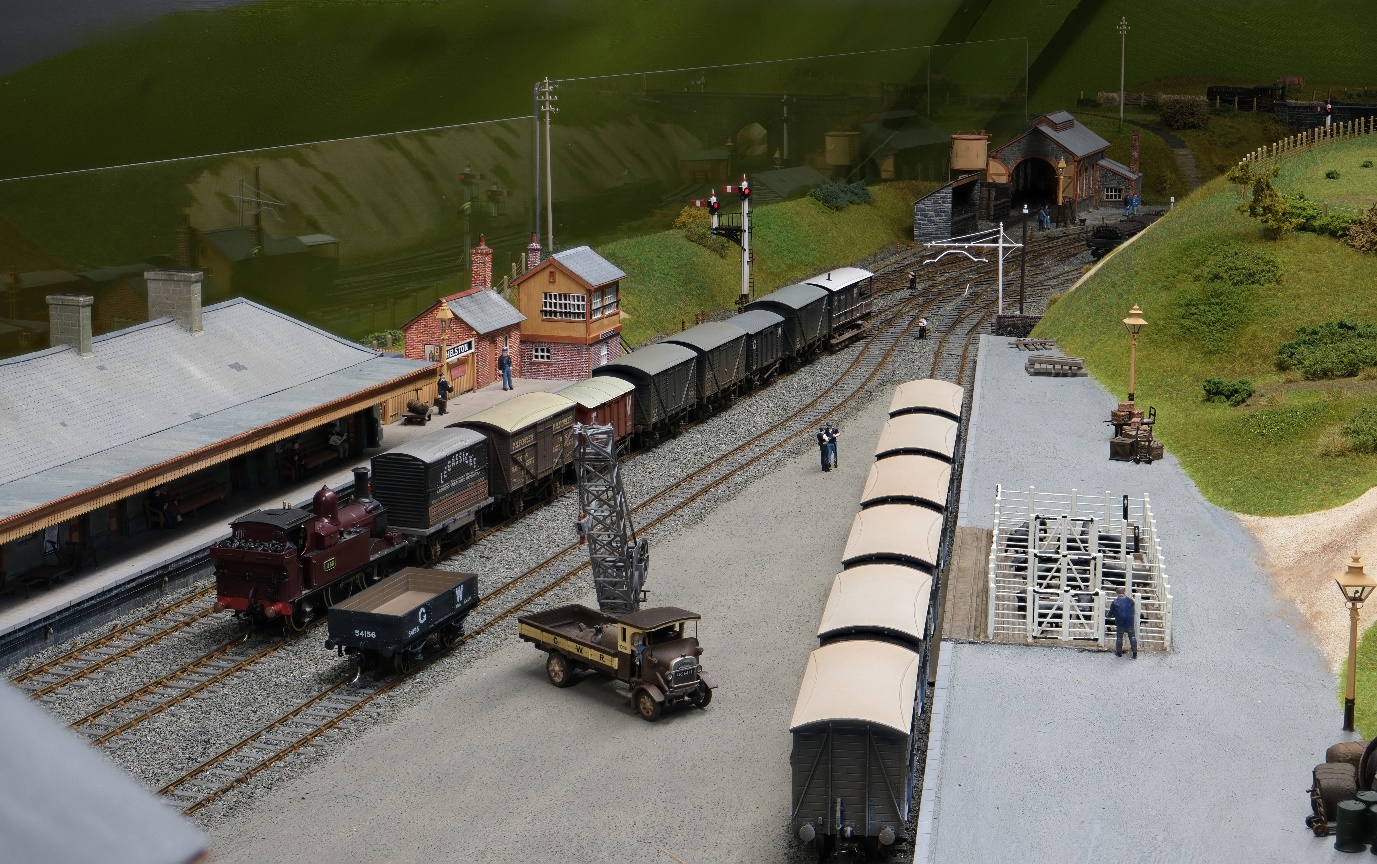
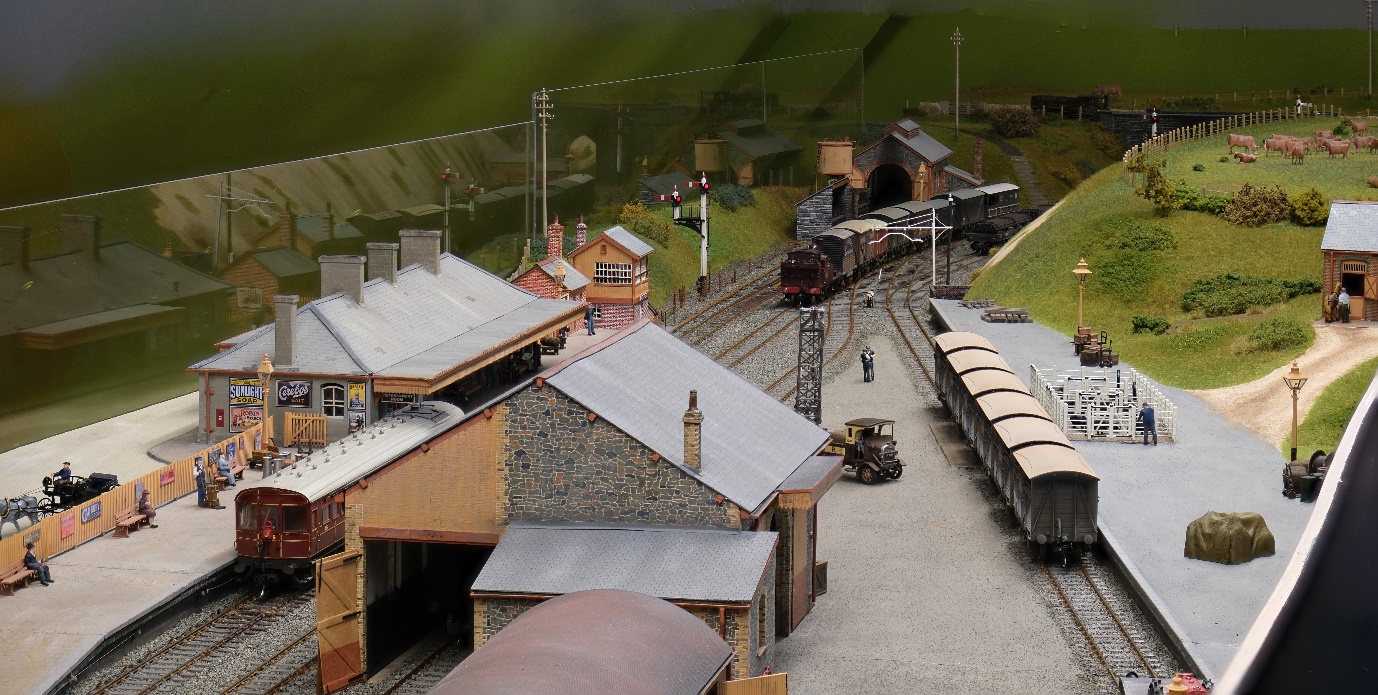
I first started modelling Helston in the 1970s as a teenager following the articles in the Model Railway News by Pat English. I still have the hand built track I made at that time. I came back to this project during Covid, now with plenty of time and considerably more cash available! The aim for the current model has been to model the station at full scale as it was in 1925 without the foreshortening forced on many modellers by limits on space. This results in a model that is eighteen feet long without much track beyond the end road bridge. It would have been nice to model the line further but at this size it just fits in my loft.
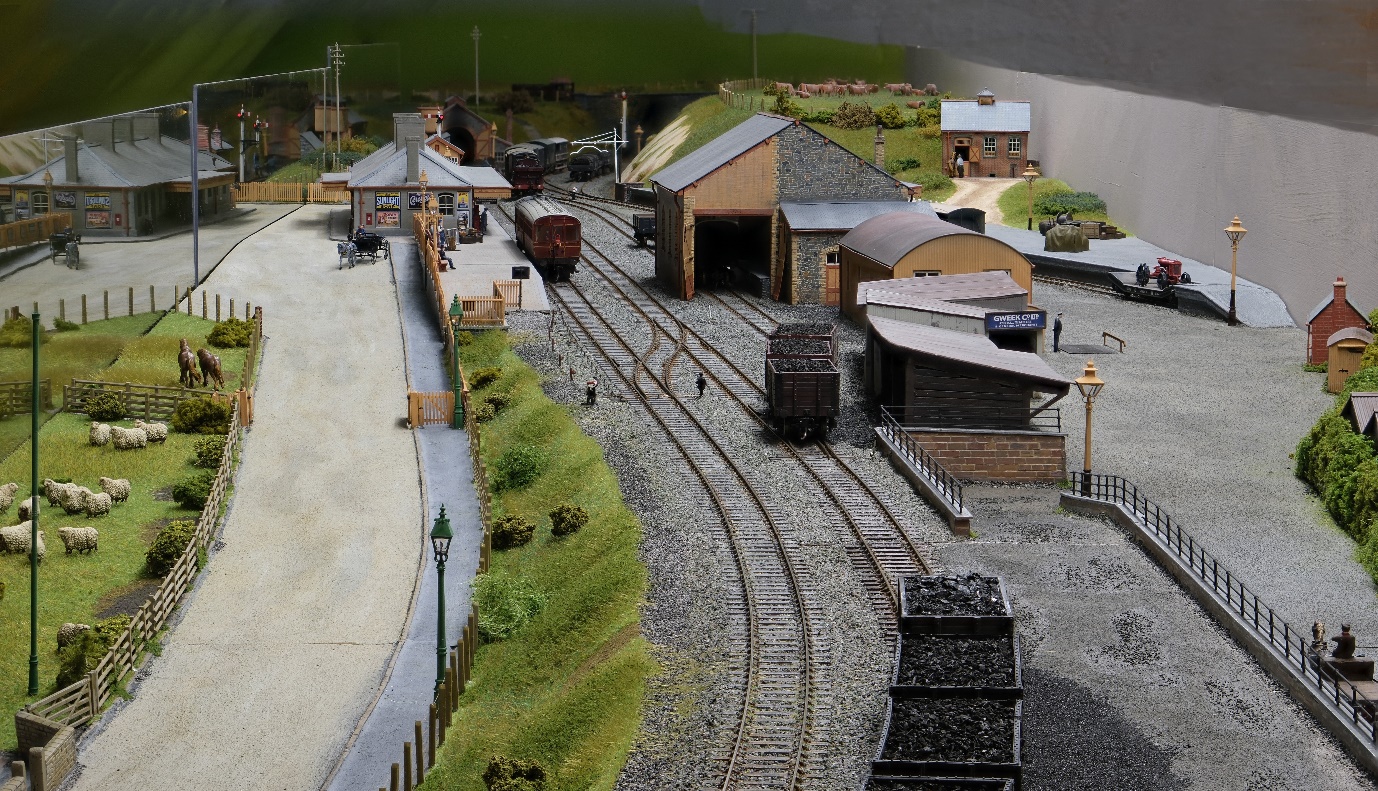
I considered working with EM rather than OO gauge track, but did not want to have to convert every item of rolling stock. It also meant I could use the Peco code 75 bullhead track and some of their points to help speed things along. I have scratch built all the buildings where I either have plans, curtsey of Pat English’s work, or where the buildings still exist. I also decided I wanted working and lit signalling – for the main semaphores these are adapted versions of the Dapol 4mm GWR ones, while for ground signals these were built up from brass etchings.
The layout is now nearly complete with just the houses at the bottom of Station Road to go. The track and yards could also do with some extra weathering down.
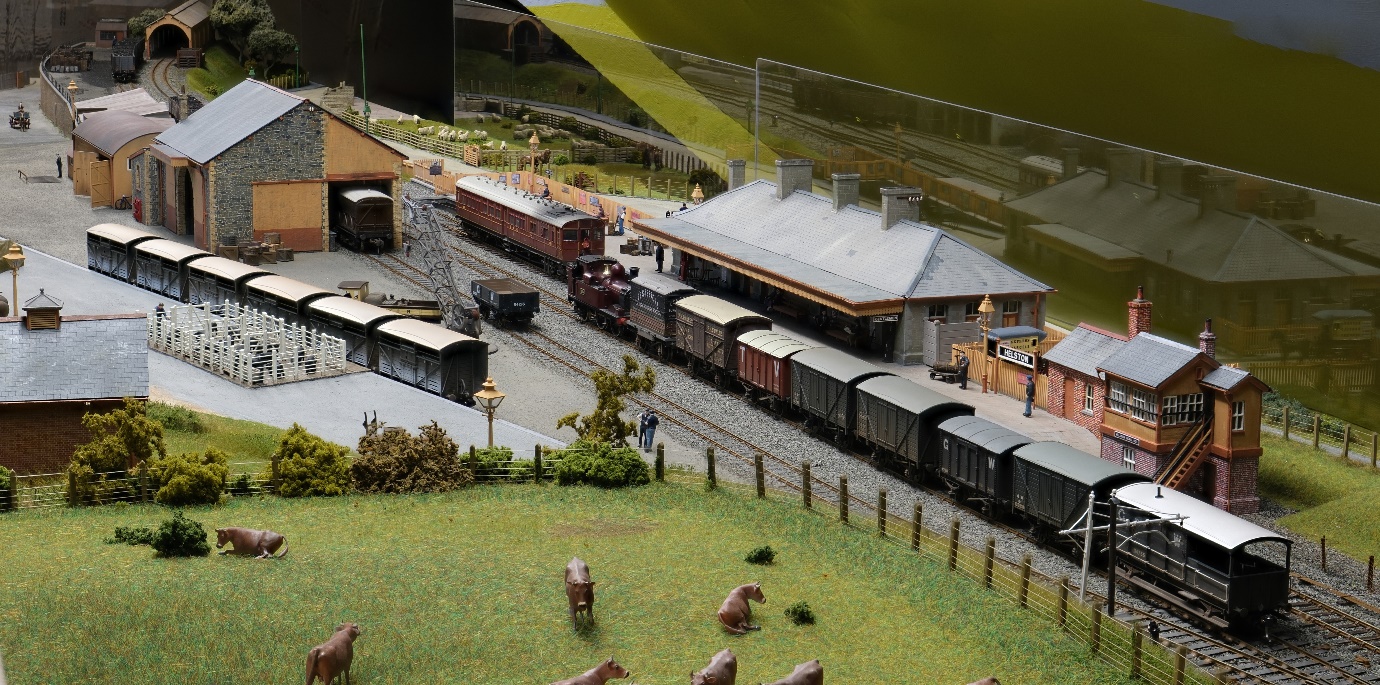
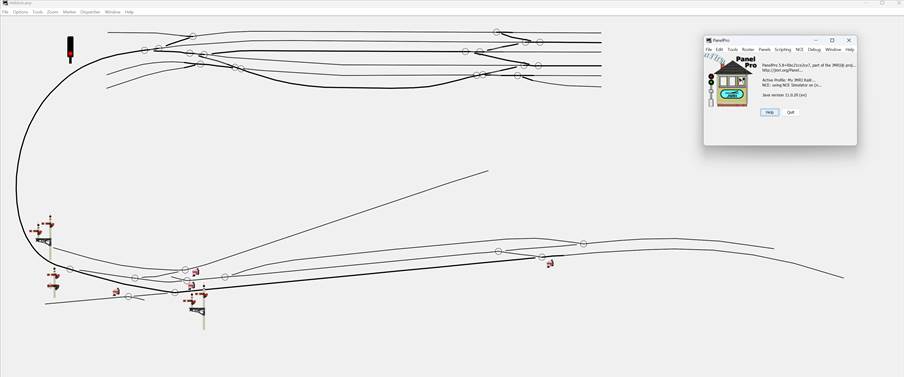
Operationally I have opted for the NCE DCC system but have added a working and electrically interlocked signal frame and a pair of block instruments to link the station and fiddle-yard operators – these are described in a series of three articles in the MERG journal. The layout is also coupled to JMRI running on a PC and has a full set of track block detectors.
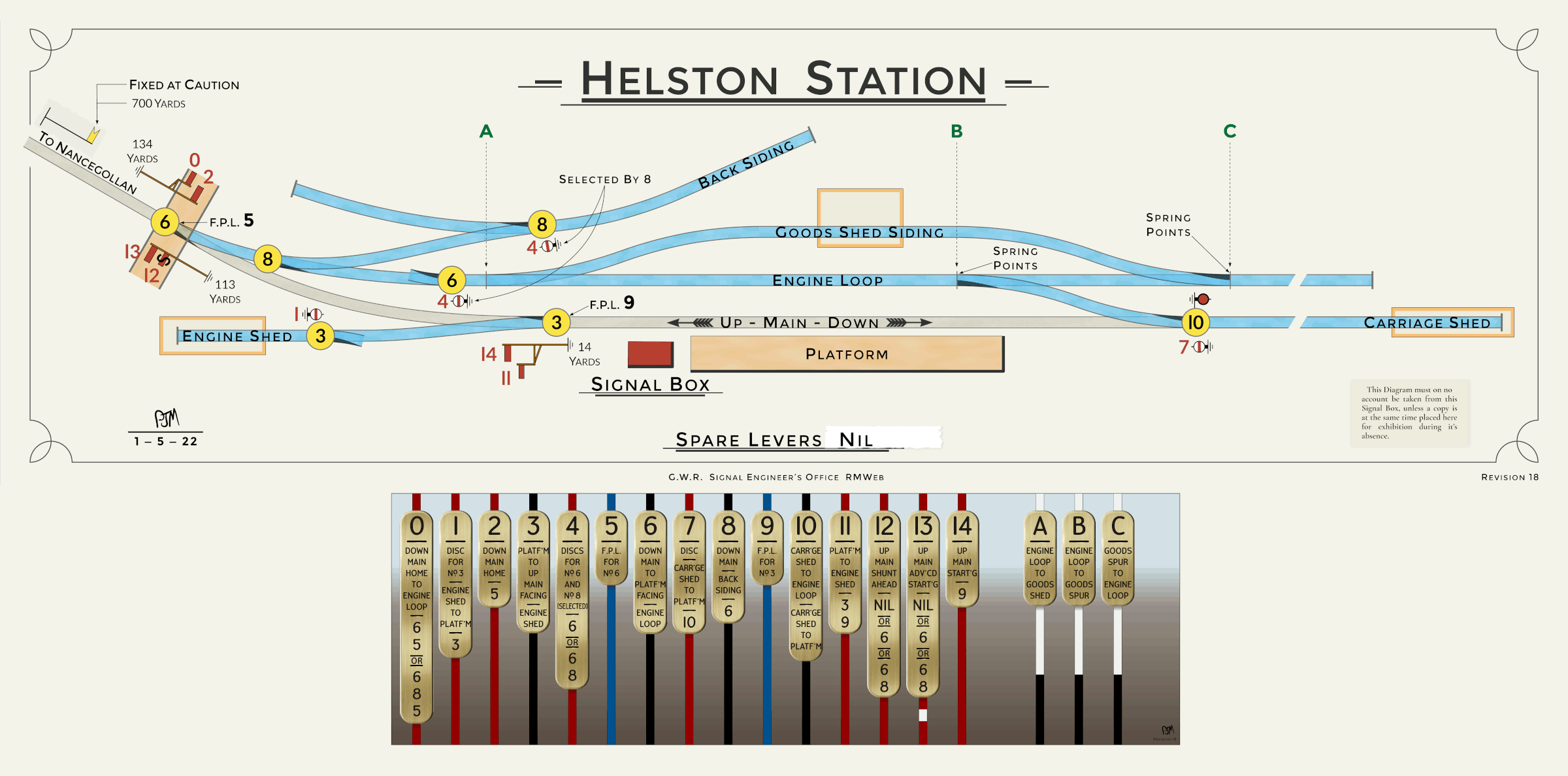
When I run the layout with friends we work on one of the available service timetables and try and keep a signal box register of movements. The ideal operation team is three people: a Helston driver, the Helston Signal box operator and somebody on the fiddle-yard.